
Services
GET IN TOUCH
Questions about digital evidence or an investigation?
We're here to help.
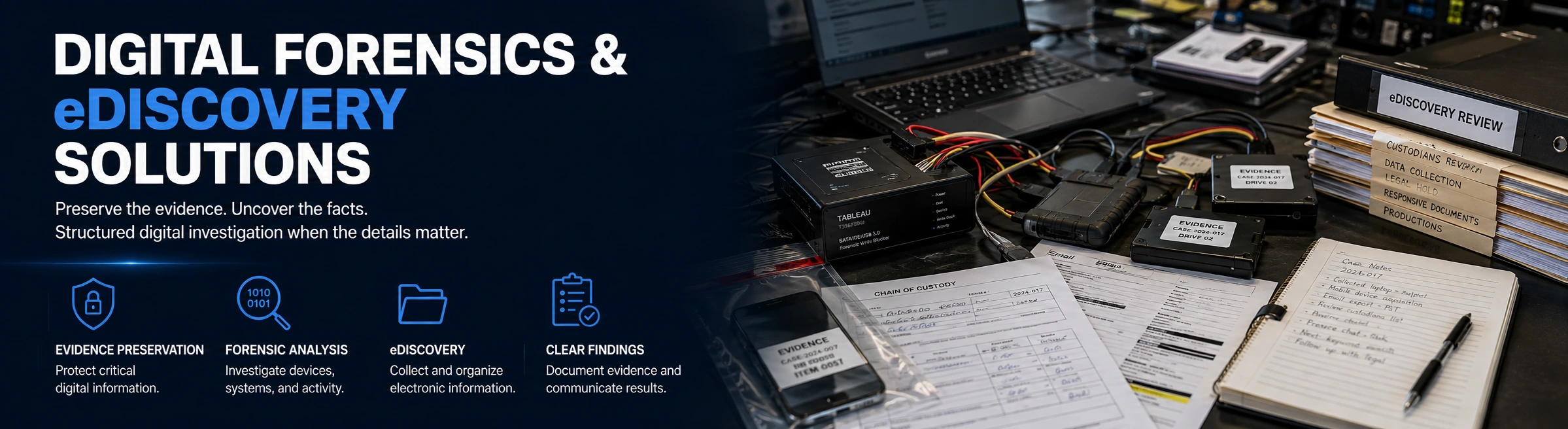
DIGITAL FORENSICS & eDISCOVERY
Find the Evidence. Preserve the Facts.
Often requested alongside our cybersecurity services following a security incident.
Preserved Evidence. Clear Findings. Defensible Results.
Digital evidence can be altered, deleted, overwritten, or lost if it is not handled correctly. When the information matters, the process used to preserve and examine it matters too.
Second Creek Technologies helps organizations identify, preserve, collect, and analyze digital evidence using structured forensic methods. We focus on maintaining evidence integrity, documenting investigative steps, and presenting technical findings in a way that can be understood by business leaders, attorneys, investigators, and other stakeholders.
Evidence Preservation
Forensic Analysis
Documented Process
Clear Reporting
HOW WE CAN HELP
Digital Investigation & eDiscovery Services
We help organizations preserve and examine electronically stored information across devices, accounts, systems, and cloud platforms while maintaining a clear and documented investigative process.
COMPUTER FORENSICS
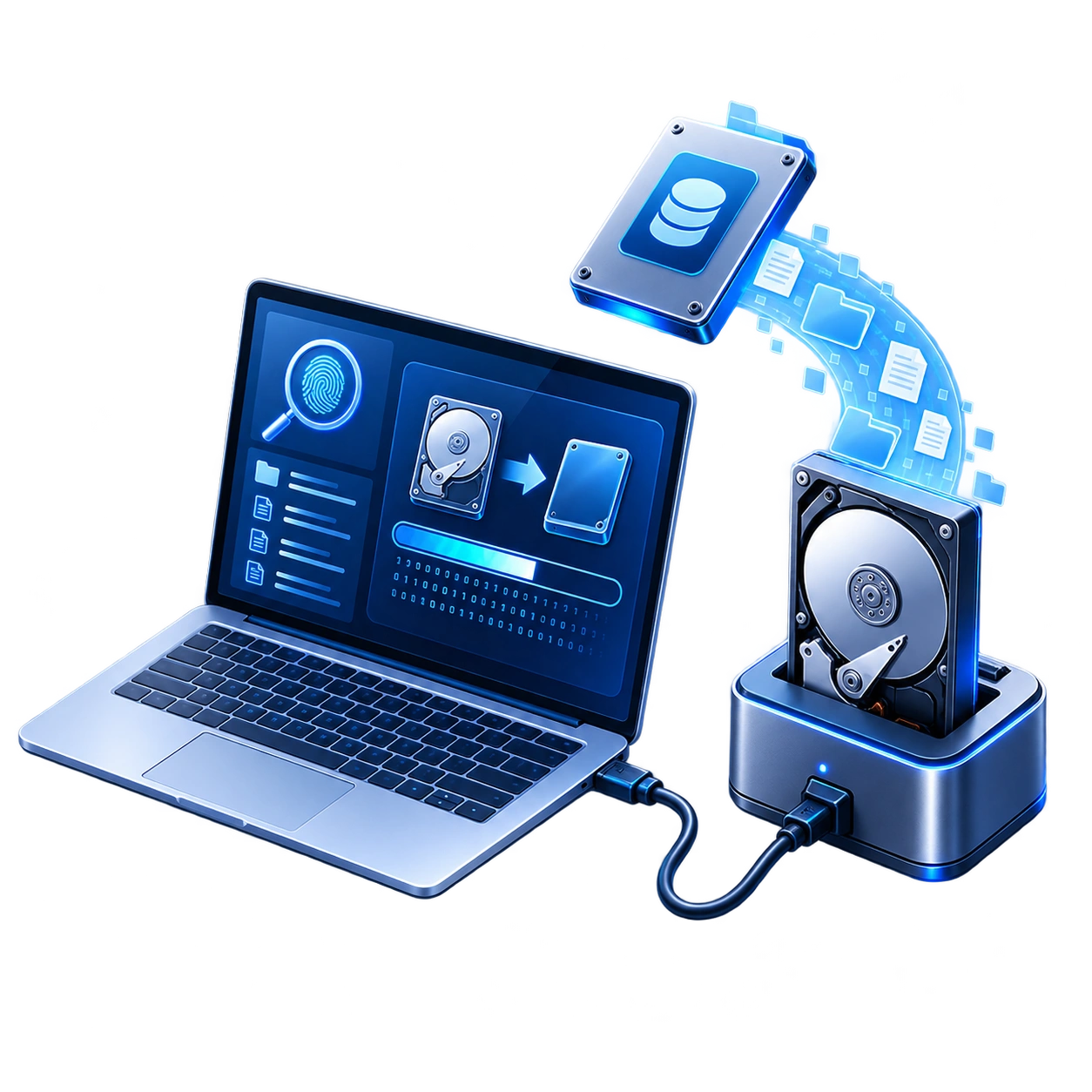
Computer & Workstation Forensics
We examine computers, laptops, storage devices, and associated system data to identify files, user activity, system events, and other information relevant to an investigation.
MOBILE DEVICES
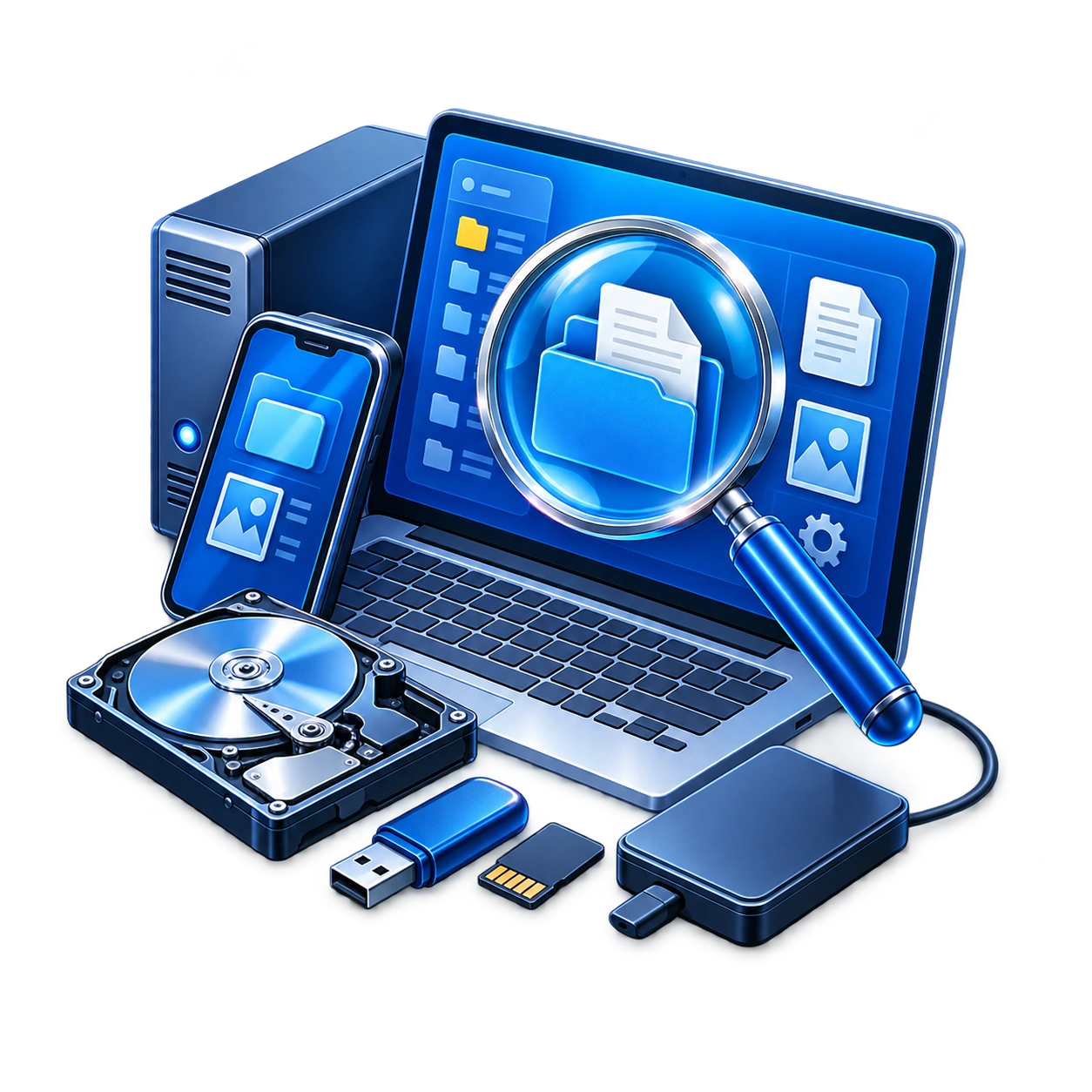
Mobile Device Forensics
Where technically and legally appropriate, mobile devices can be examined for available messages, files, application data, device activity, and other information relevant to the matter being investigated.
EMAIL & CLOUD
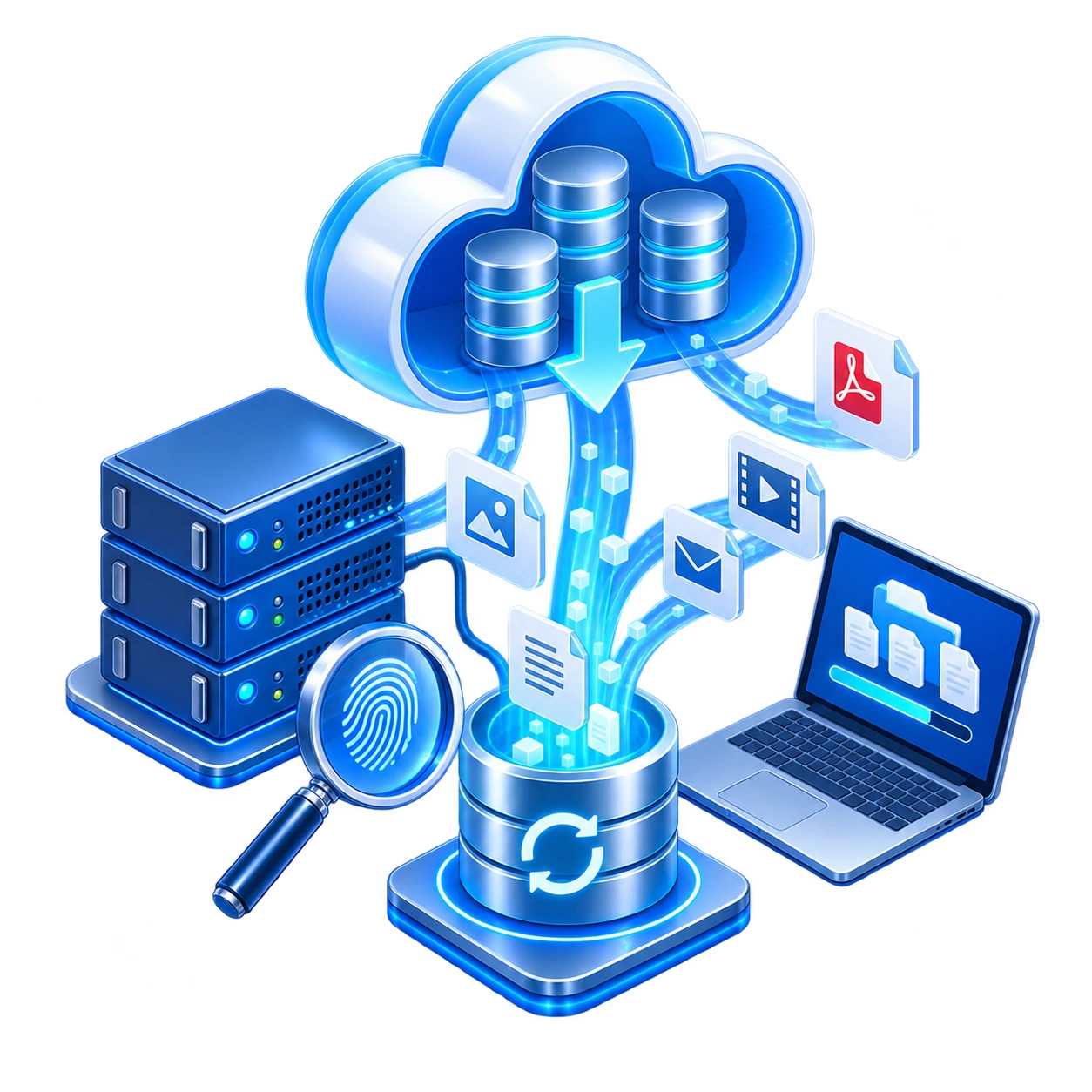
Email & Cloud Data Collection
We assist with identifying and collecting relevant information from email systems, Microsoft 365, cloud storage, collaboration platforms, and other business services.
PRESERVATION
Evidence Preservation & Imaging
Forensic copies and preservation procedures help protect original data while allowing information to be examined without unnecessarily altering the source evidence.
Deleted File & Data Analysis
Deleted File & Data Analysis
Depending on the device, storage condition, and prior activity, forensic examination may identify deleted files, historical artifacts, metadata, or other information that is no longer immediately visible to the user.
ACTIVITY ANALYSIS
User Activity & Timeline Analysis
System artifacts, logs, files, metadata, and other available information can be correlated to help establish a timeline of actions and better understand what occurred on a device or account.
eDISCOVERY
eDiscovery Collection & Processing
We help identify, collect, organize, and prepare electronically stored information for review in connection with litigation, investigations, regulatory matters, or other discovery requirements.
INCIDENTS
Digital Incident Investigation
Forensic analysis can help investigate suspected unauthorized access, data theft, account misuse, malware activity, policy violations, and other events involving business technology.
REPORTING
Forensic Reporting & Findings
Investigative findings are documented clearly, including relevant evidence, methodology, observations, and technical information needed to help stakeholders understand what was identified.
OUR FORENSIC PROCESS
A Structured Approach to Digital Evidence
We begin by understanding the matter and identifying potential evidence sources, then preserve, examine, document, and report relevant findings through a controlled investigative process.
Identify & Preserve
We determine which devices, accounts, systems, or data sources may contain relevant information and take appropriate steps to preserve available evidence before it can be altered or lost.
Collect & Verify
Relevant data is collected using appropriate forensic methods while documentation, validation, and integrity checks help establish that the collected evidence accurately represents the source.
Examine & Analyze
Preserved information is examined for files, activity, metadata, communications, timelines, system artifacts, and other evidence relevant to the questions being investigated.
Document & Report
Relevant findings, investigative steps, and supporting evidence are documented and presented in a clear format appropriate for the matter and intended audience.
COMMON QUESTIONS
Digital Forensics & eDiscovery FAQs
Learn more about preserving digital evidence, recovering deleted information, forensic examinations, eDiscovery collections, investigations, and what to do when potentially important data is involved.
Avoid unnecessary use or changes to the device or account until the situation has been evaluated. Continued activity can modify files, logs, timestamps, cloud data, or other potentially relevant information. The appropriate preservation approach depends on the device, system, investigation, and legal requirements involved.
No. Recovery depends on the device, storage technology, application, account configuration, backups, retention settings, and activity that occurred after the information was deleted. In some cases deleted content or related artifacts remain available, while in others the original information may no longer be recoverable.
A normal copy typically captures selected files that are visible to the user. A forensic acquisition is designed to preserve data in a controlled manner and may capture additional file-system information, metadata, deleted artifacts, and other information that would not be included in an ordinary file copy. The exact method depends on the device and circumstances.
Depending on available access, licensing, retention, logging, and the services involved, cloud environments may provide email, files, audit records, sign-in information, sharing activity, and other data useful to an investigation. We can help identify and preserve relevant information from supported systems.
eDiscovery is the process of identifying, preserving, collecting, processing, and reviewing electronically stored information that may be relevant to litigation, investigations, regulatory matters, or other formal information requests. This can include email, documents, cloud files, messages, and other electronic records.
The goal of a forensic process is to minimize unnecessary changes and preserve the integrity of the evidence. When appropriate, examinations are performed using forensic copies or controlled acquisition methods so analysis can occur without relying solely on the original source.
Digital evidence may help organizations investigate suspected policy violations, unauthorized access, data movement, account misuse, or other workplace concerns. Any investigation should be conducted in accordance with applicable company policies, authorization, privacy requirements, and legal obligations.
Reporting depends on the scope of the investigation, but may include evidence sources examined, collection and examination methods, relevant artifacts, timelines, observations, supporting screenshots or records, and a clear explanation of significant findings.